Best EuroMillions Strategy for Multiple Tickets
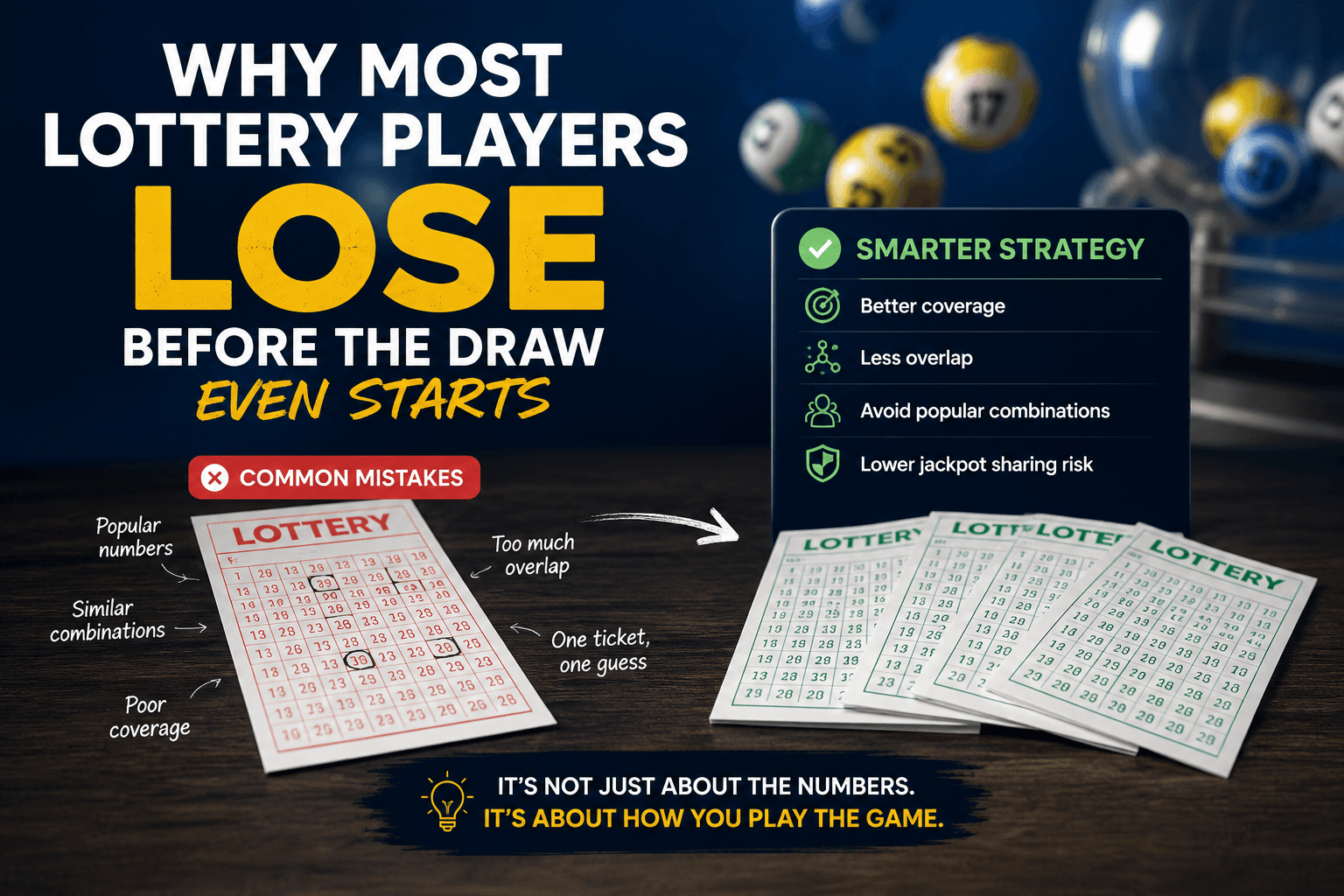
Buying more EuroMillions tickets is not automatically a better strategy. Learn how to build multiple tickets as a structured set with less overlap, better number balance, and smarter coverage.
Expert analysis, statistical insights, and smart strategies to help you understand the world of lottery probability and make informed decisions.

Buying more EuroMillions tickets is not automatically a better strategy. Learn how to build multiple tickets as a structured set with less overlap, better number balance, and smarter coverage.

AI cannot predict EuroMillions winning numbers, but it can help improve ticket structure. Learn how AI can reduce overlap, improve number balance, and build smarter EuroMillions ticket sets.

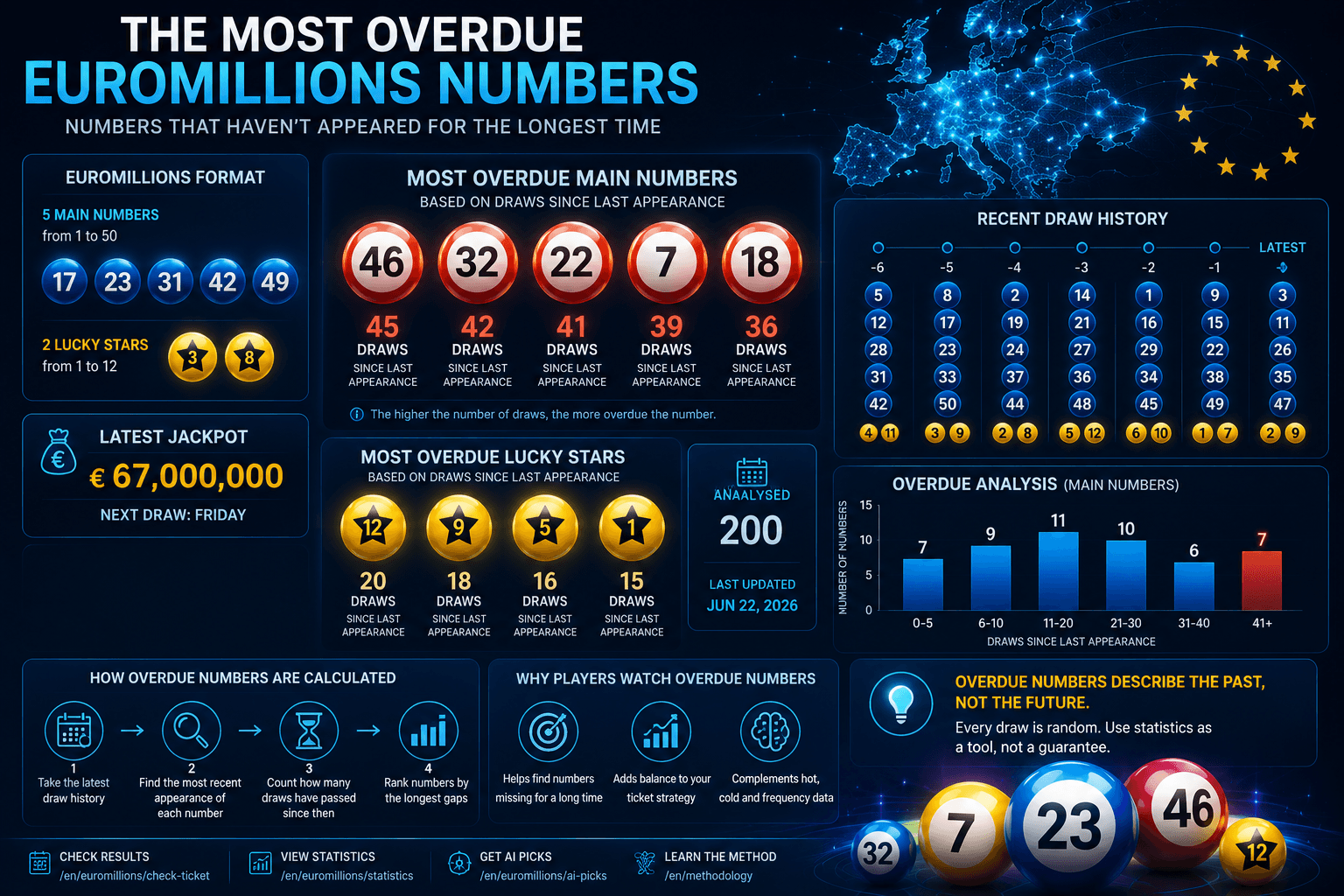
Overdue EuroMillions numbers are numbers that have not appeared for the longest time. Here is how overdue numbers are calculated, what they can tell you, and why they should not be treated as guaranteed predictions.

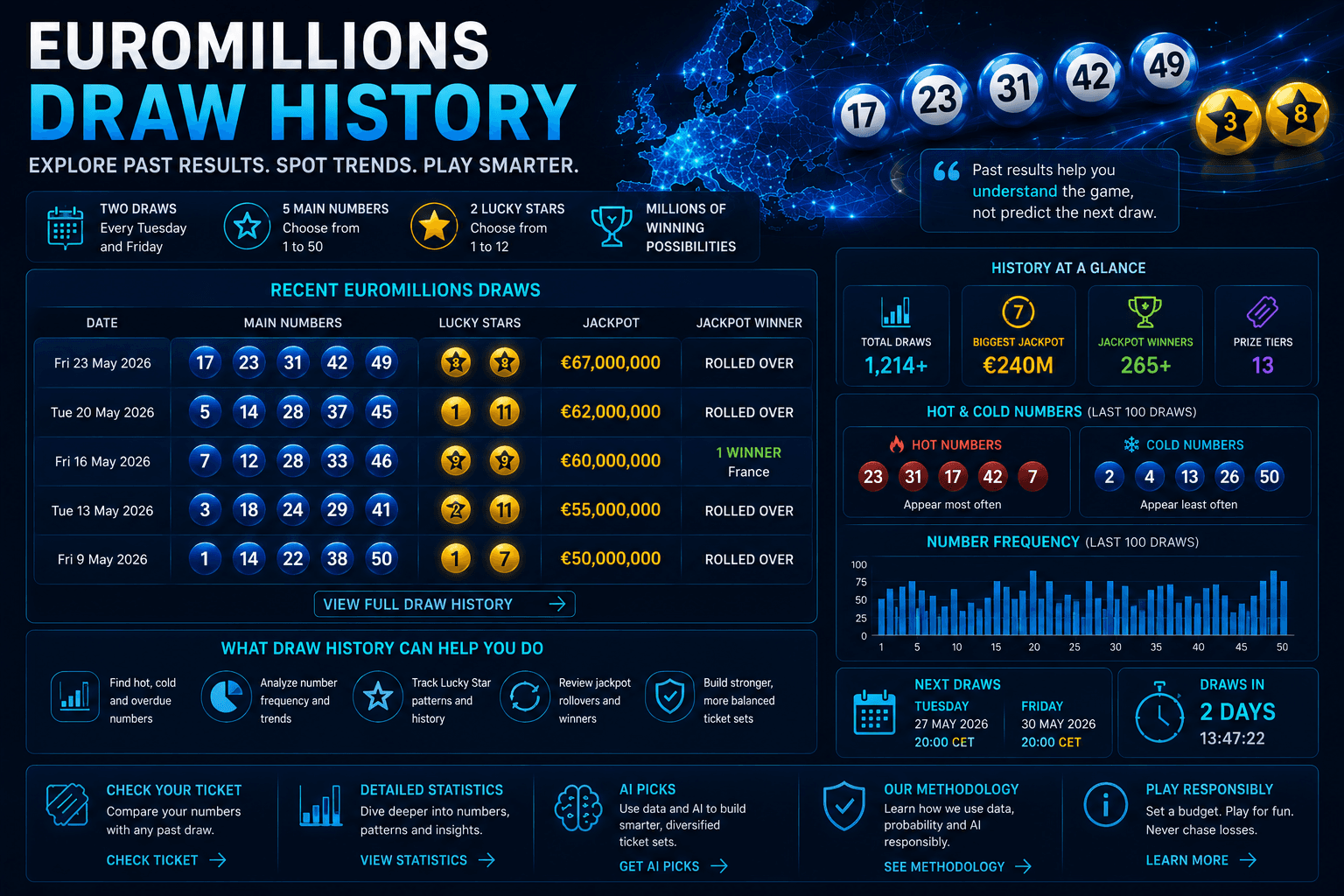
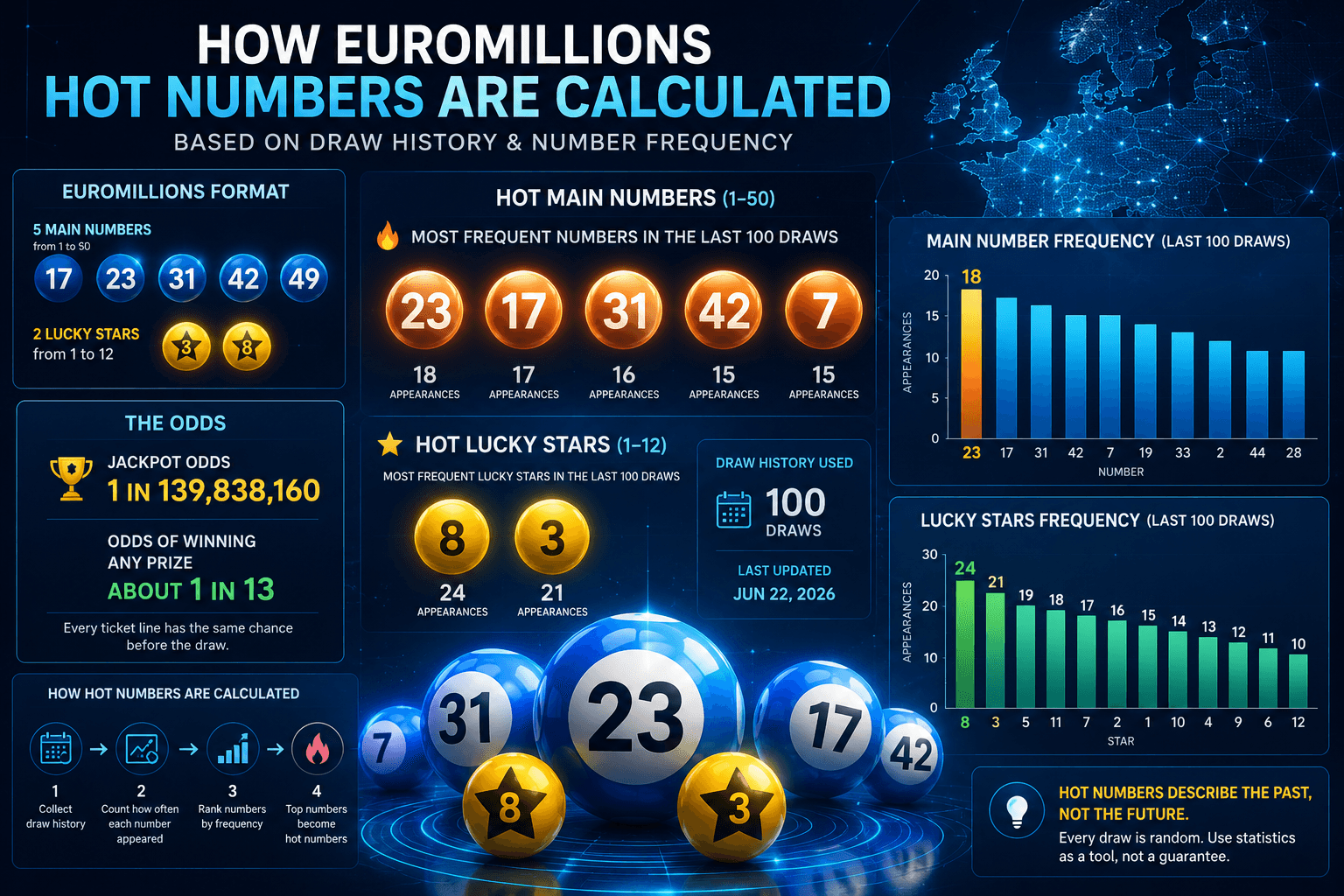
EuroMillions hot numbers are based on how often numbers appeared in previous draws. Here is how they are calculated, what they can tell you, and why they should not be treated as guaranteed predictions.

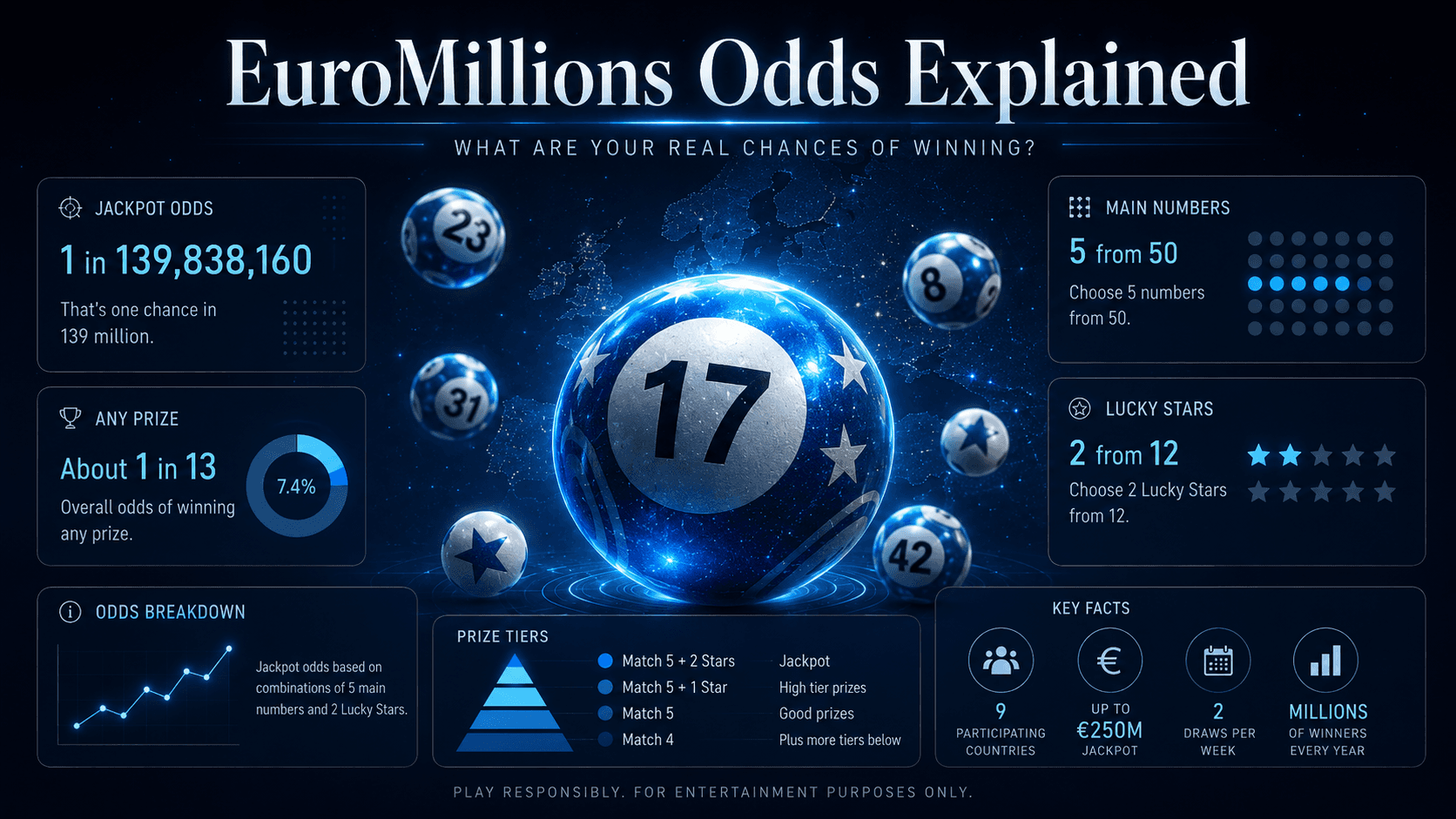
EuroMillions odds can look confusing at first. Here is a simple explanation of jackpot odds, prize tiers, overall winning chances, and what the numbers really mean for your ticket strategy.

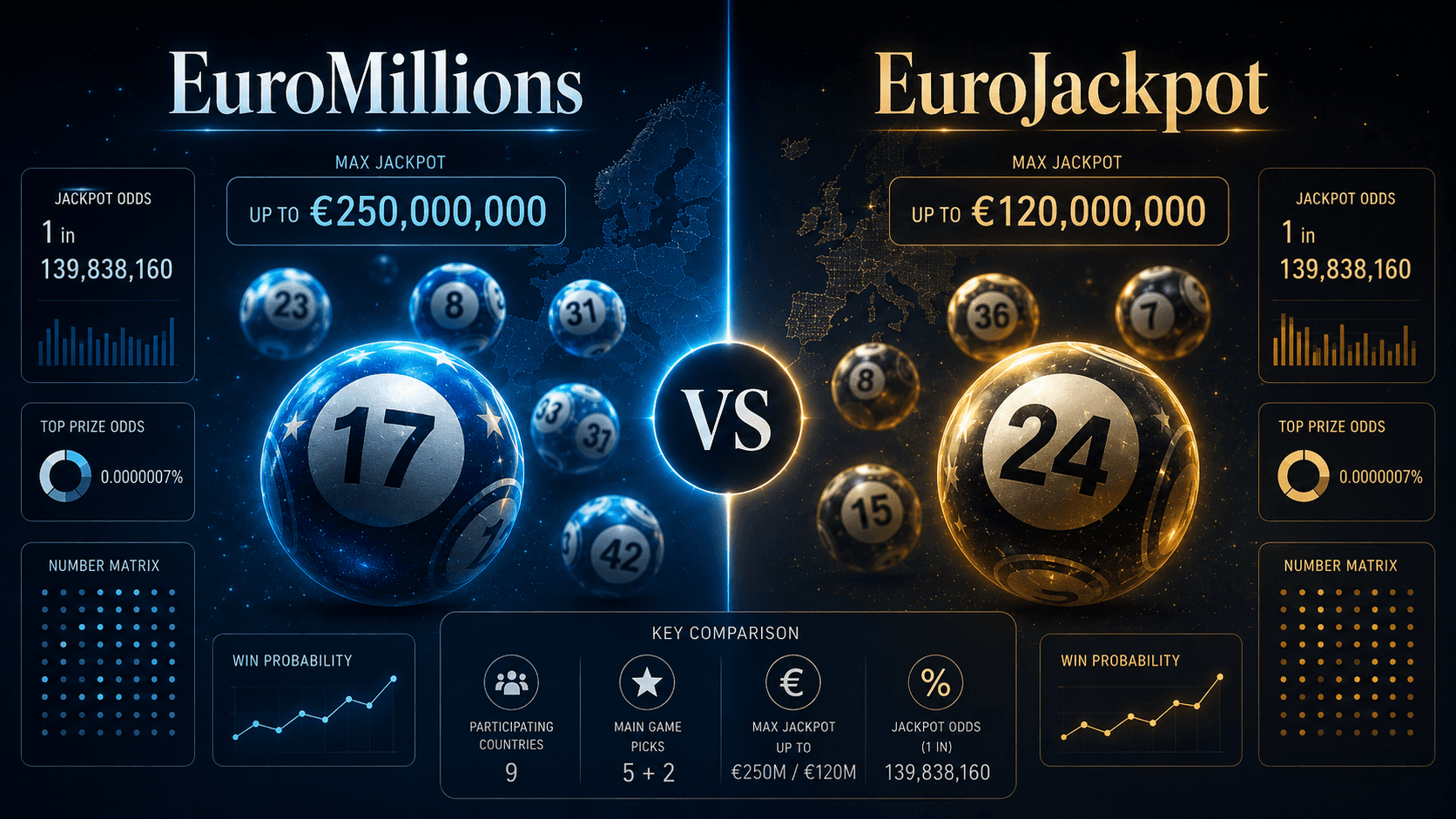
EuroMillions and EuroJackpot look very similar, but the jackpots, prize tiers, draw rhythm and overall winning chances are not the same. Here is how to decide which European lottery fits your playing style better.

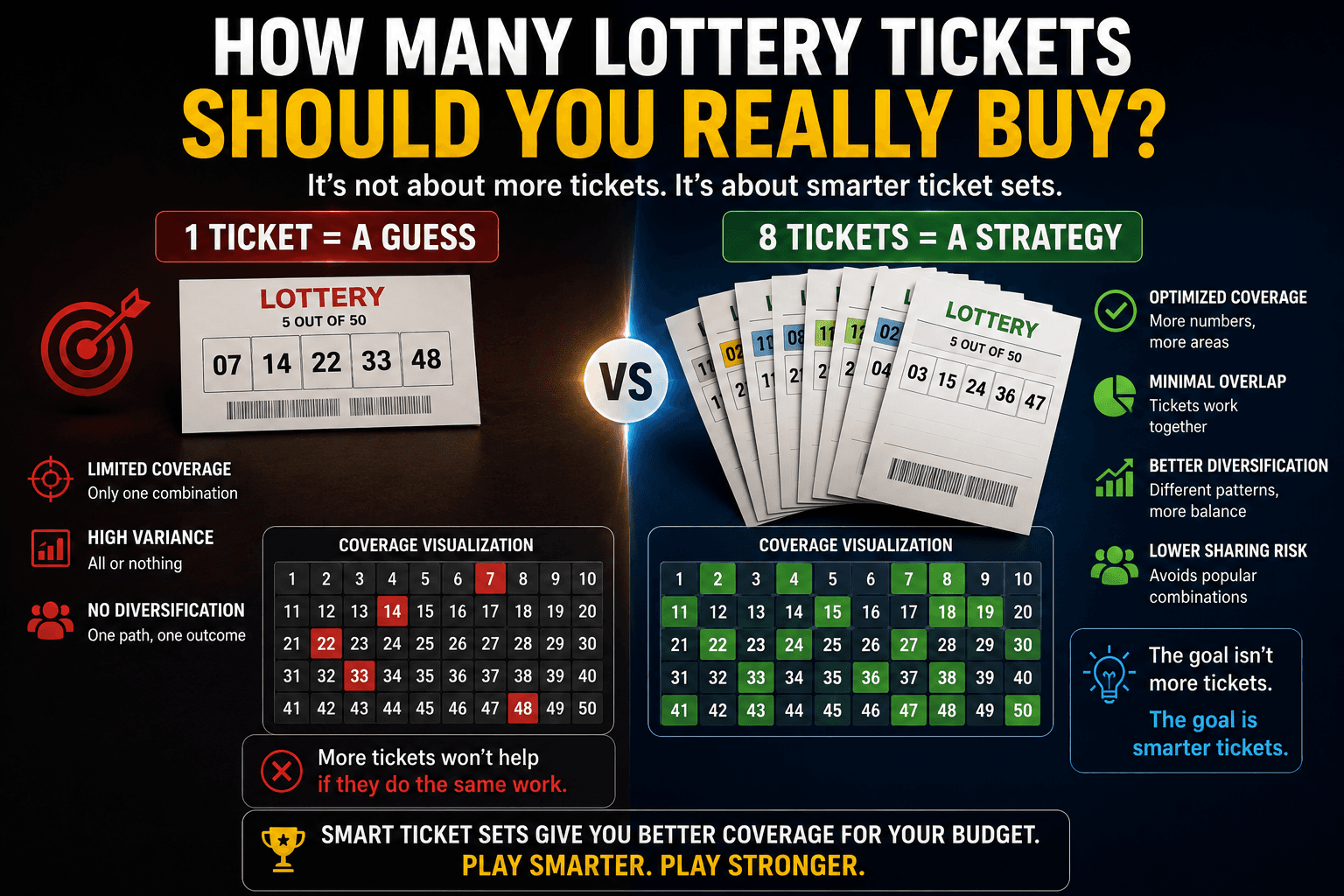
Most lottery players focus on which numbers to pick. The bigger question is how many tickets to play—and whether those tickets work together as a coordinated set.

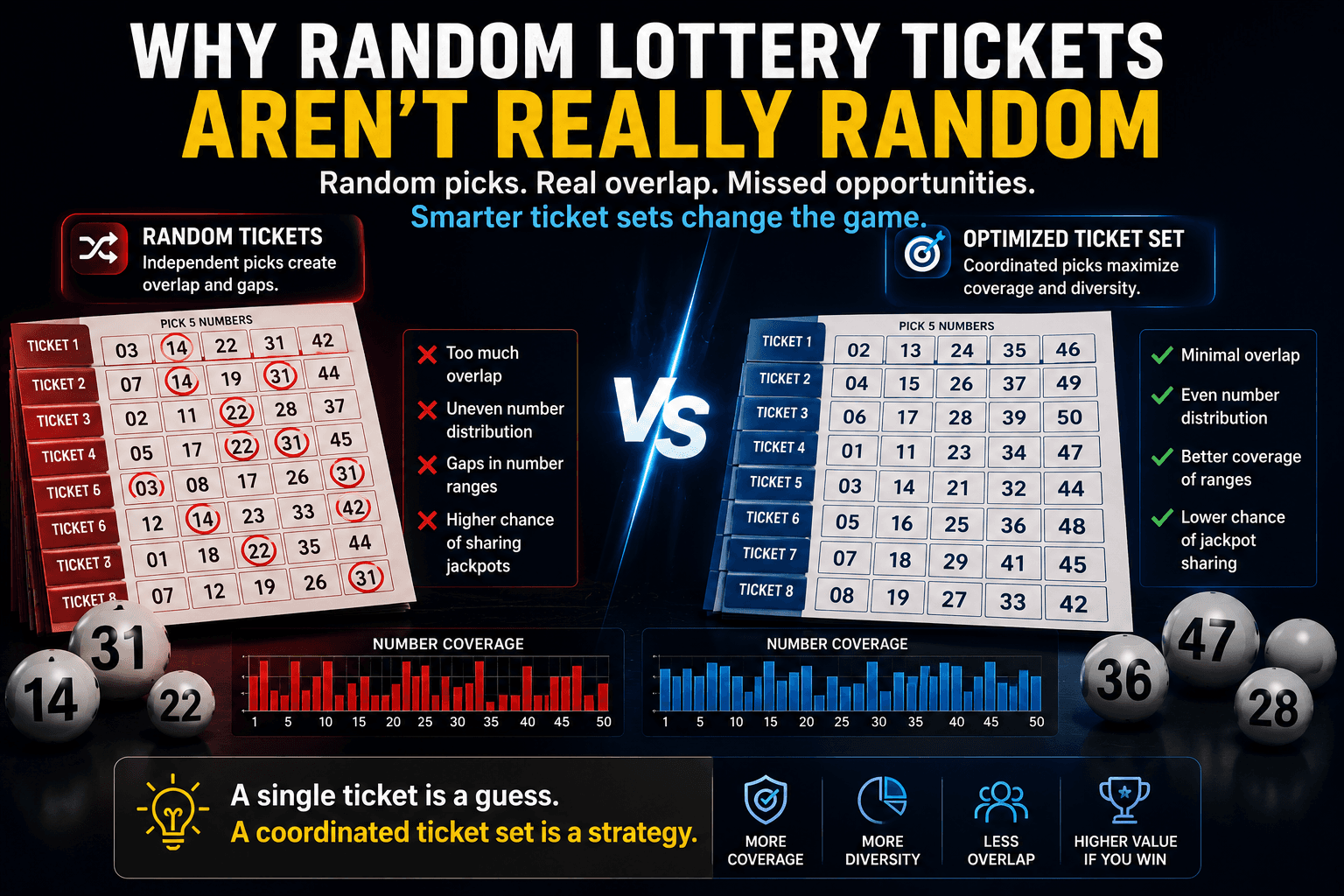
Most lottery players trust random picks and Quick Picks to create unique combinations. In reality, random tickets often overlap, miss coverage opportunities, and may not be as random as people think.

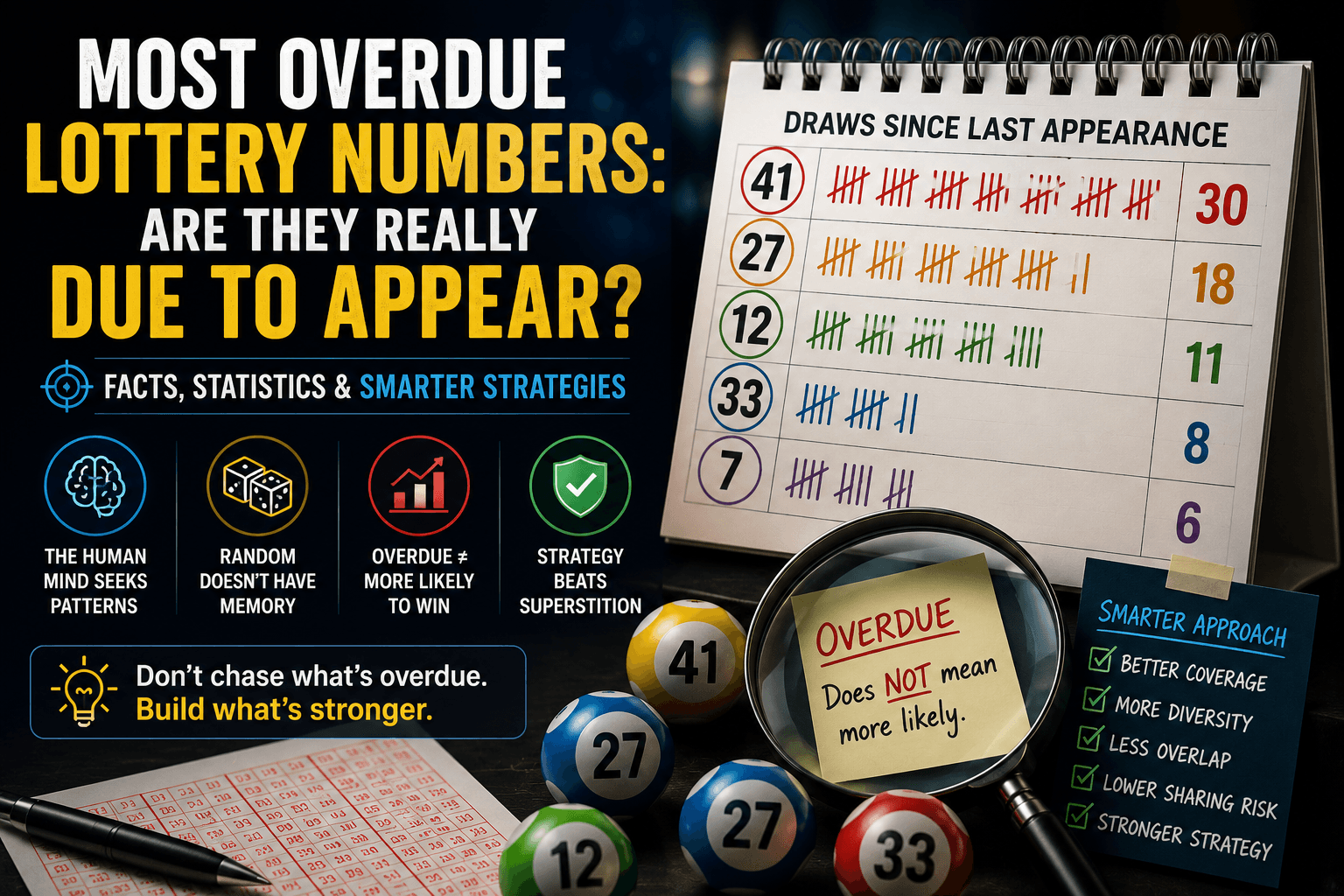
Many players search for overdue lottery numbers believing they're more likely to appear soon. But does being overdue actually matter, or is it one of the biggest myths in lottery strategy?

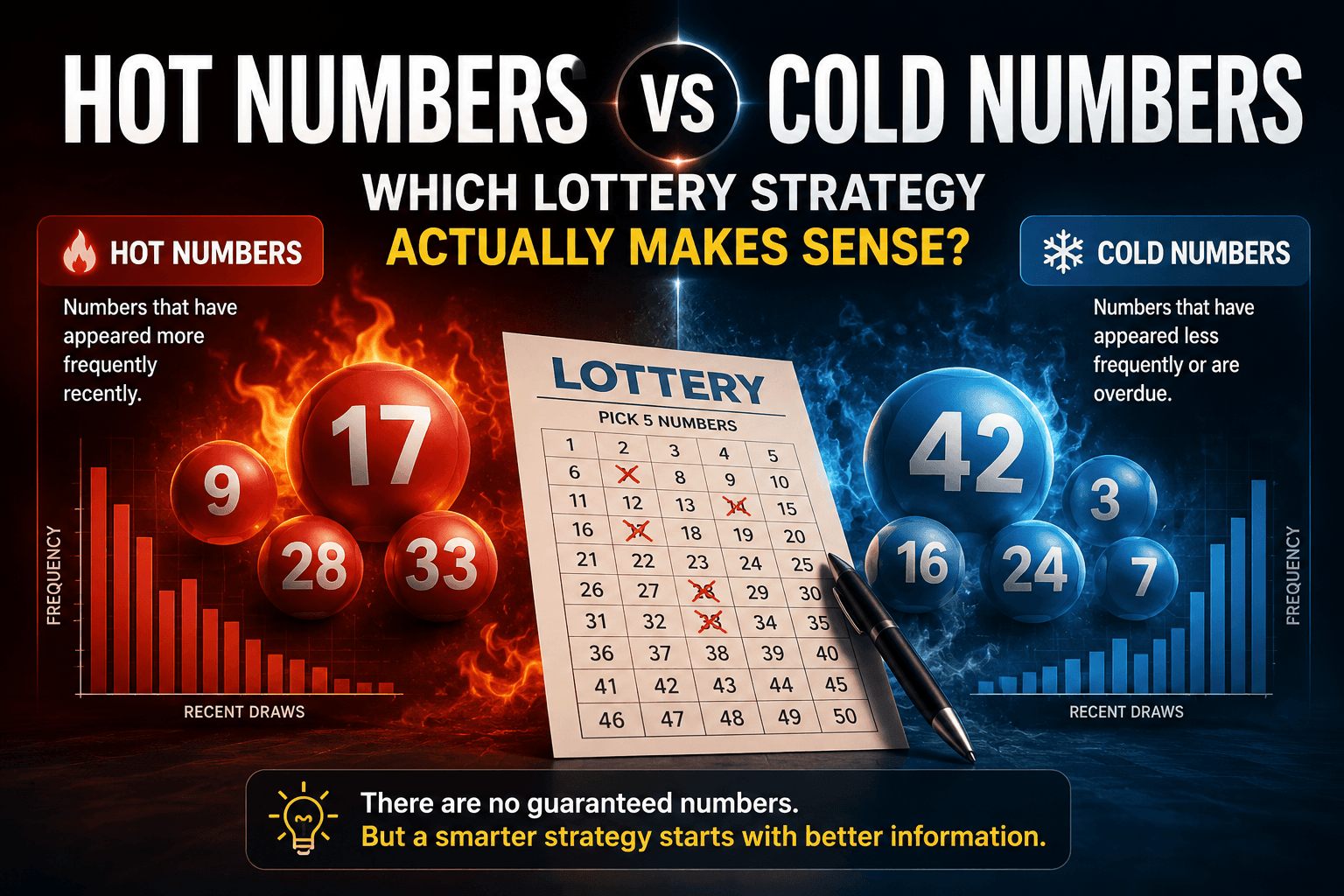
Millions of players choose hot numbers, cold numbers, and overdue numbers every week. But do these strategies really improve your chances, or are they just popular lottery myths?

Most players focus on finding lucky numbers. The real advantage often comes from ticket structure, coverage, diversification, and avoiding popular combinations before the draw even begins.

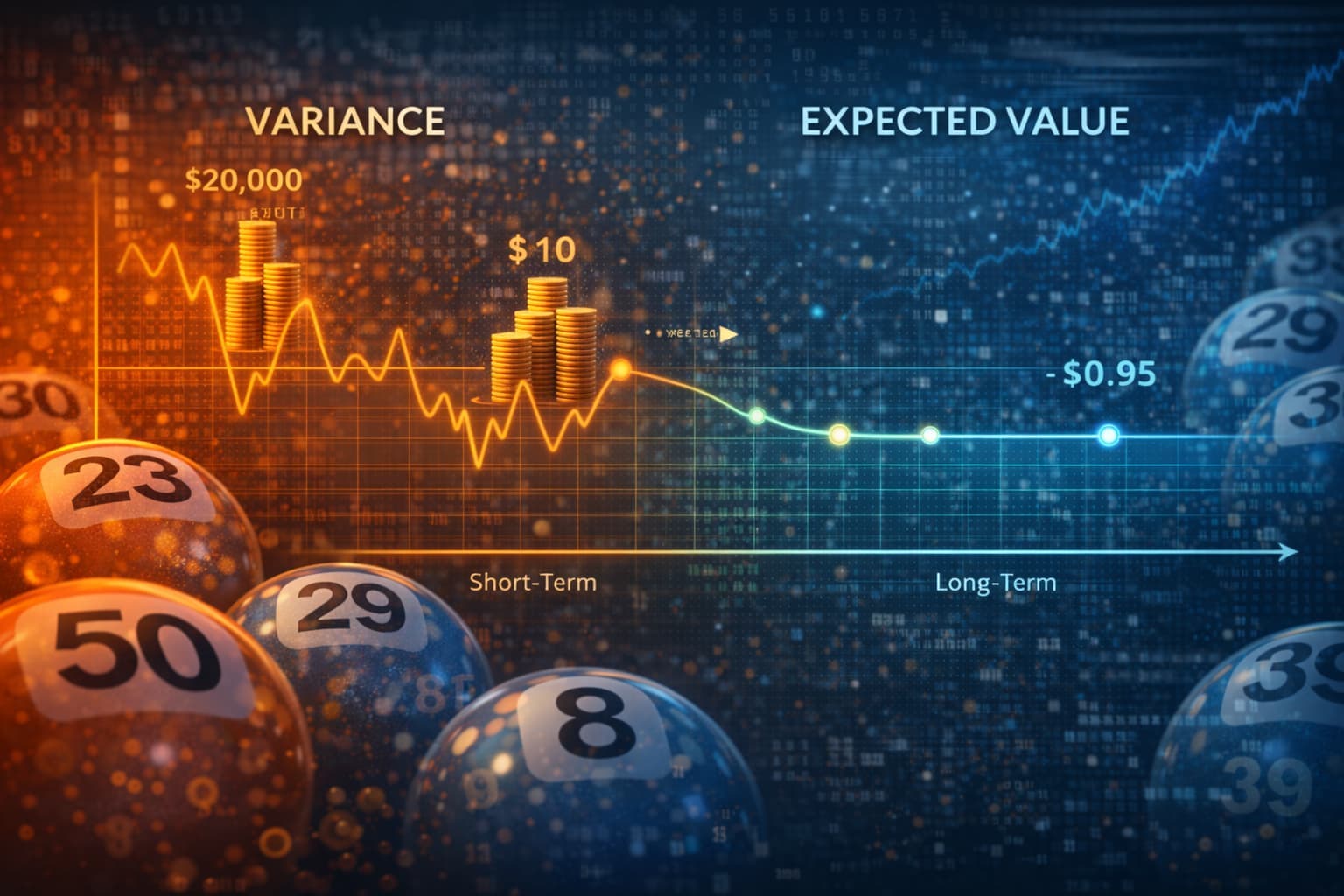
Expected value explains long-term averages, but variance shapes real experiences. Learn why volatility matters in lottery outcomes—and how to analyze it.

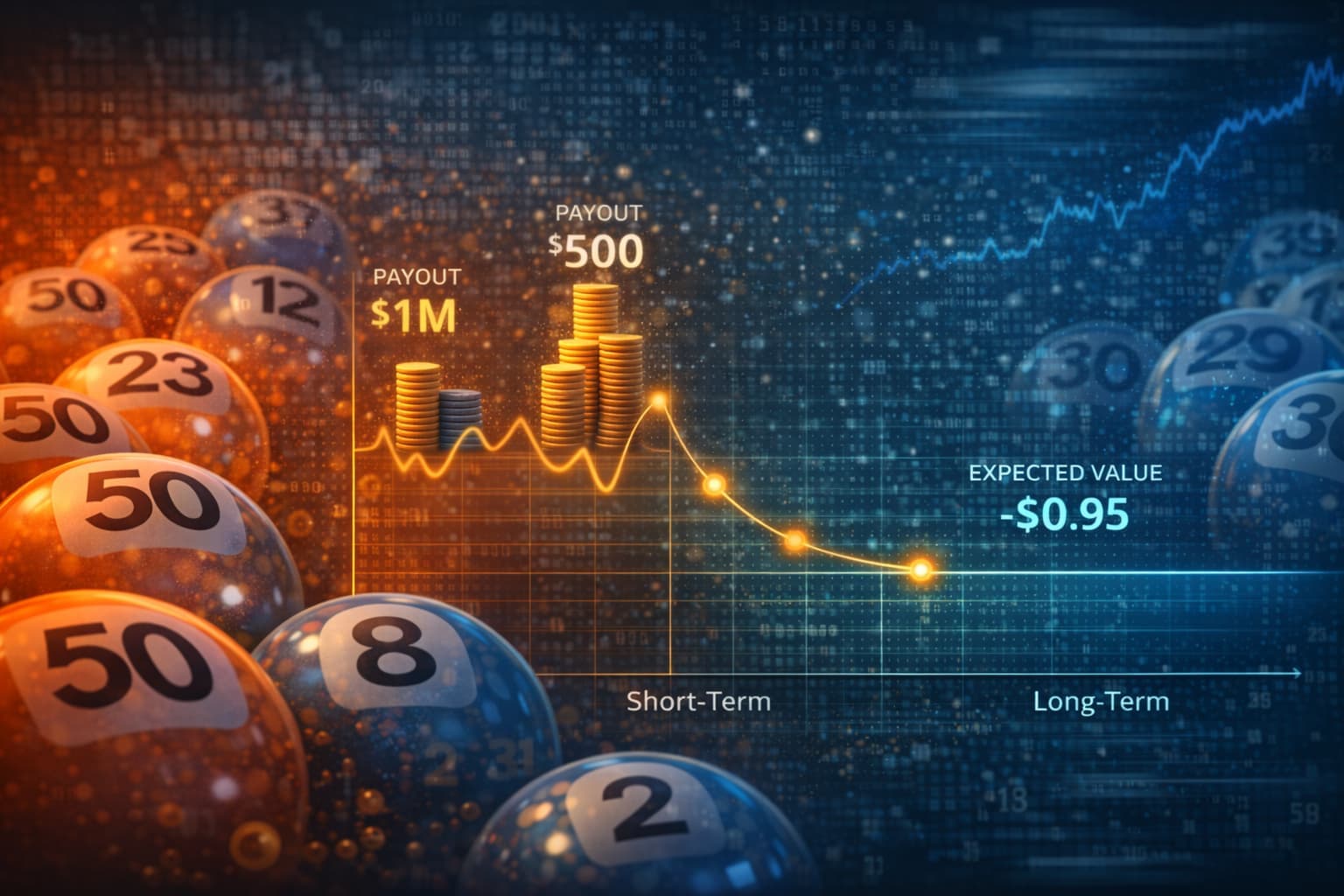
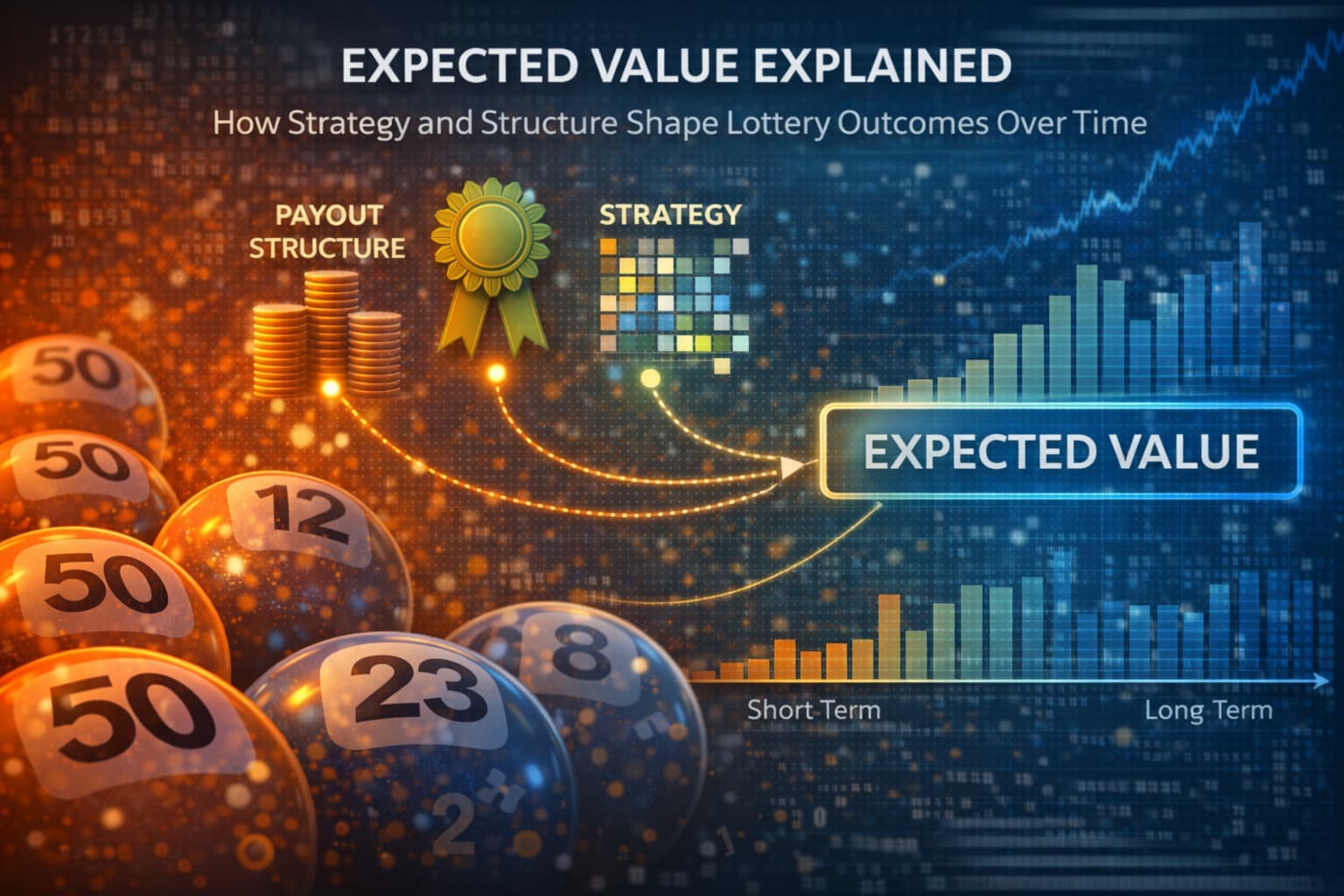
Expected value shapes long-term outcomes in lottery play. Learn how EV behaves over time—and how structured analysis can help you evaluate strategies more clearly.

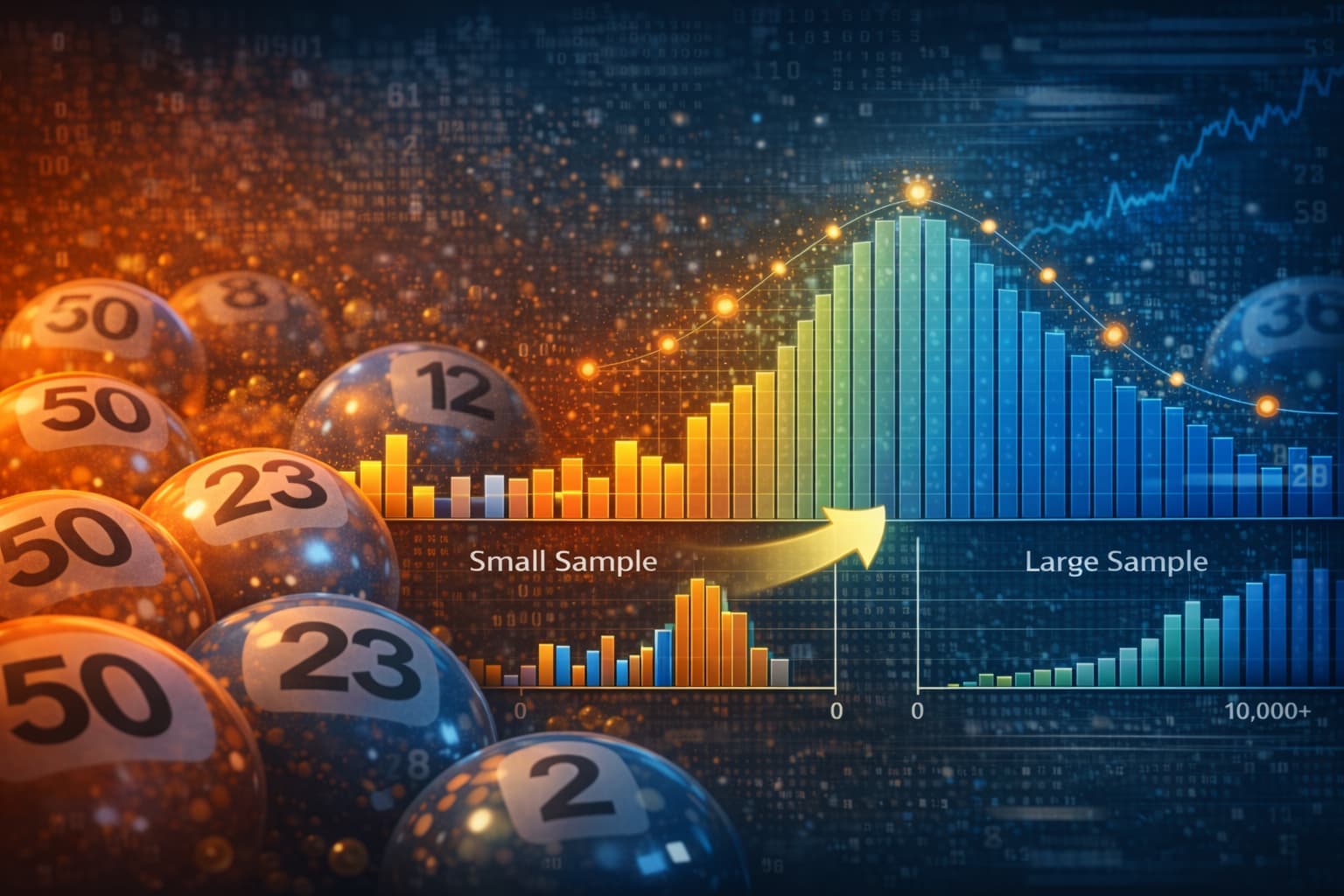
Lottery outcomes fluctuate in the short term but stabilize over time. Learn how the Law of Large Numbers explains this behavior—and how to analyze it using large-scale data.

Lottery number frequencies fluctuate naturally. Learn how patterns emerge in random systems—and how to evaluate them using simulation.

Expected Value provides the baseline. Strategy and structure influence how lottery outcomes accumulate over time.

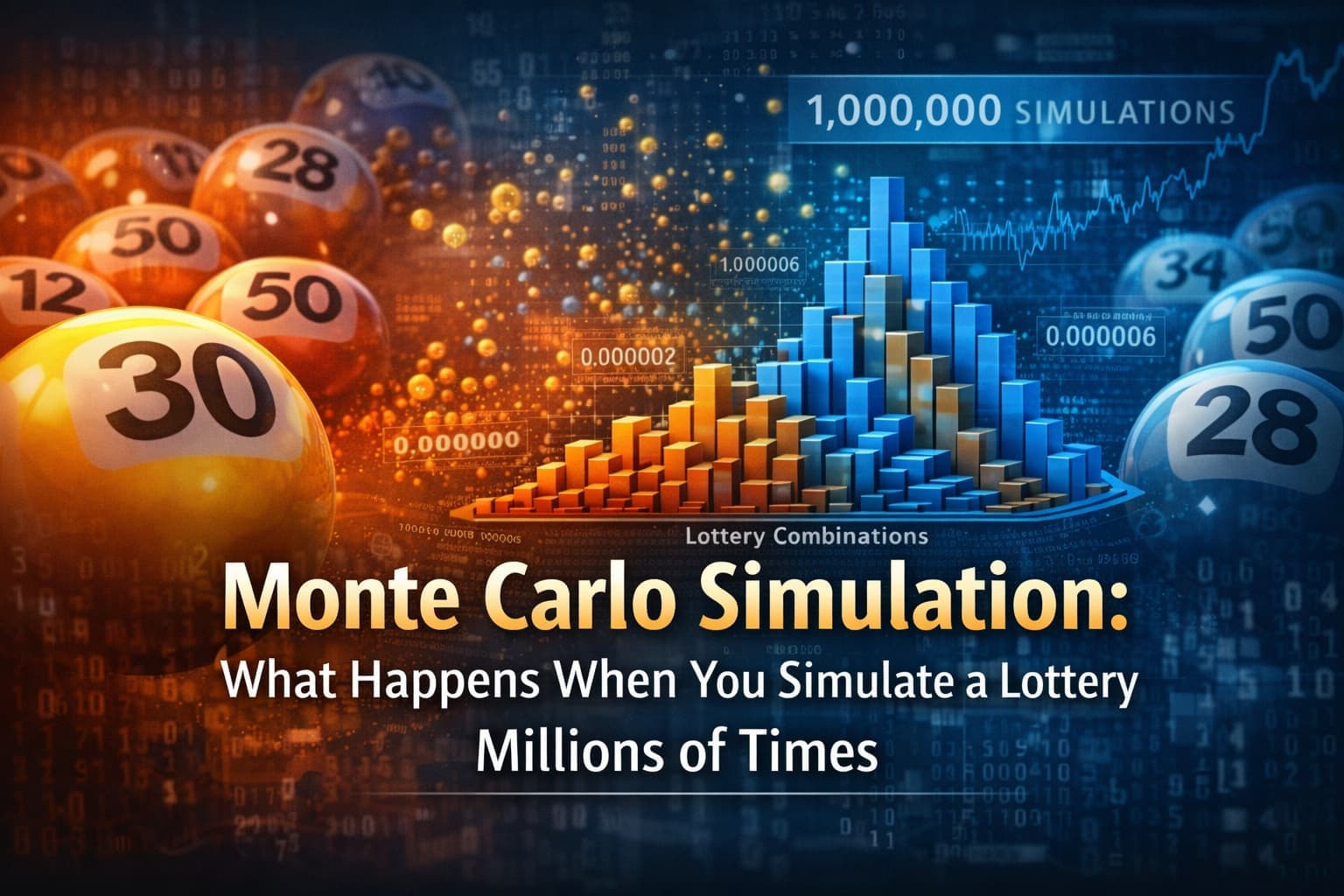
A Monte Carlo simulation of lottery draws showing how randomness behaves at scale—and why patterns emerge even without bias.

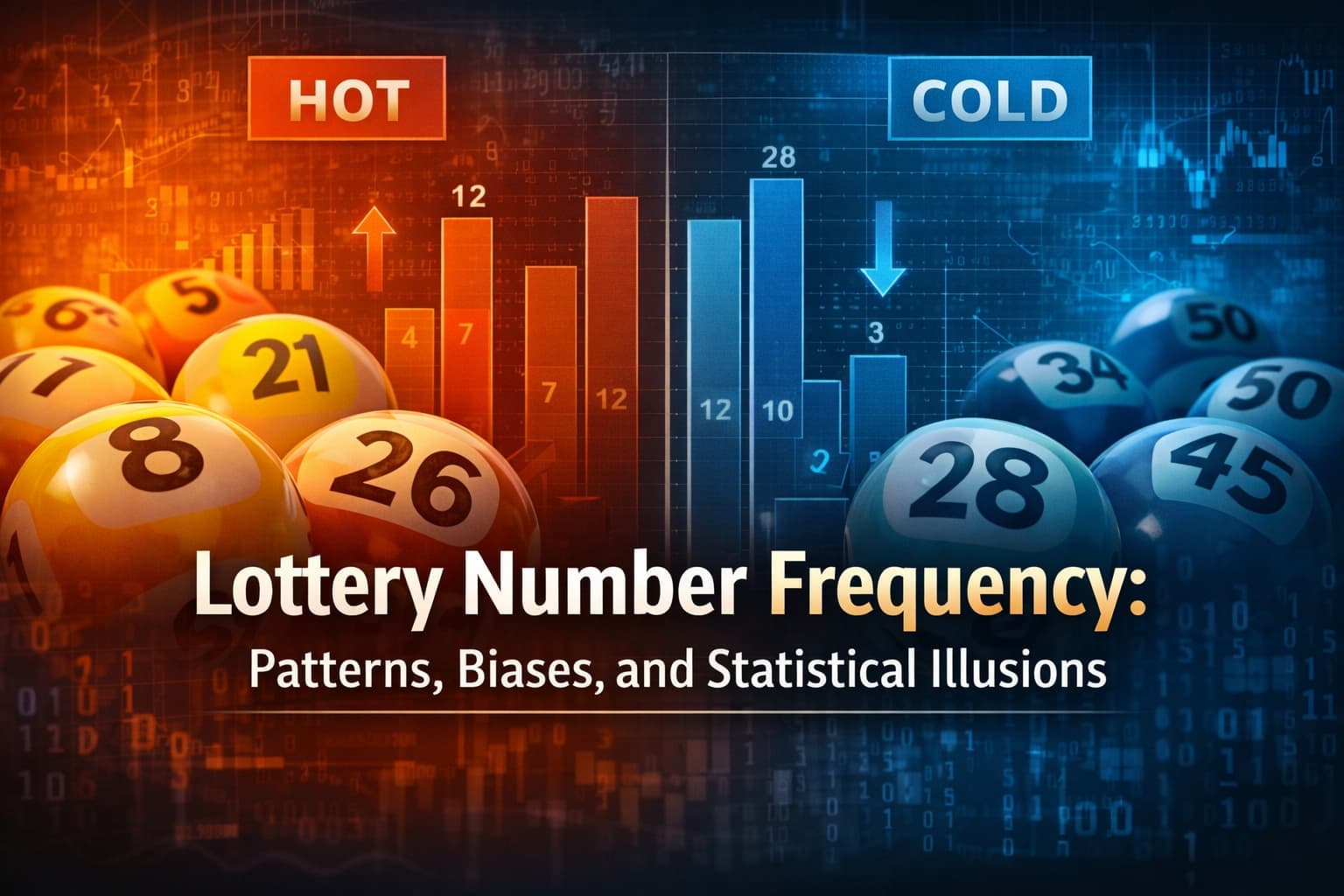
A statistical look at lottery number frequency, explaining why hot and cold numbers appear—and why they don’t predict the future.

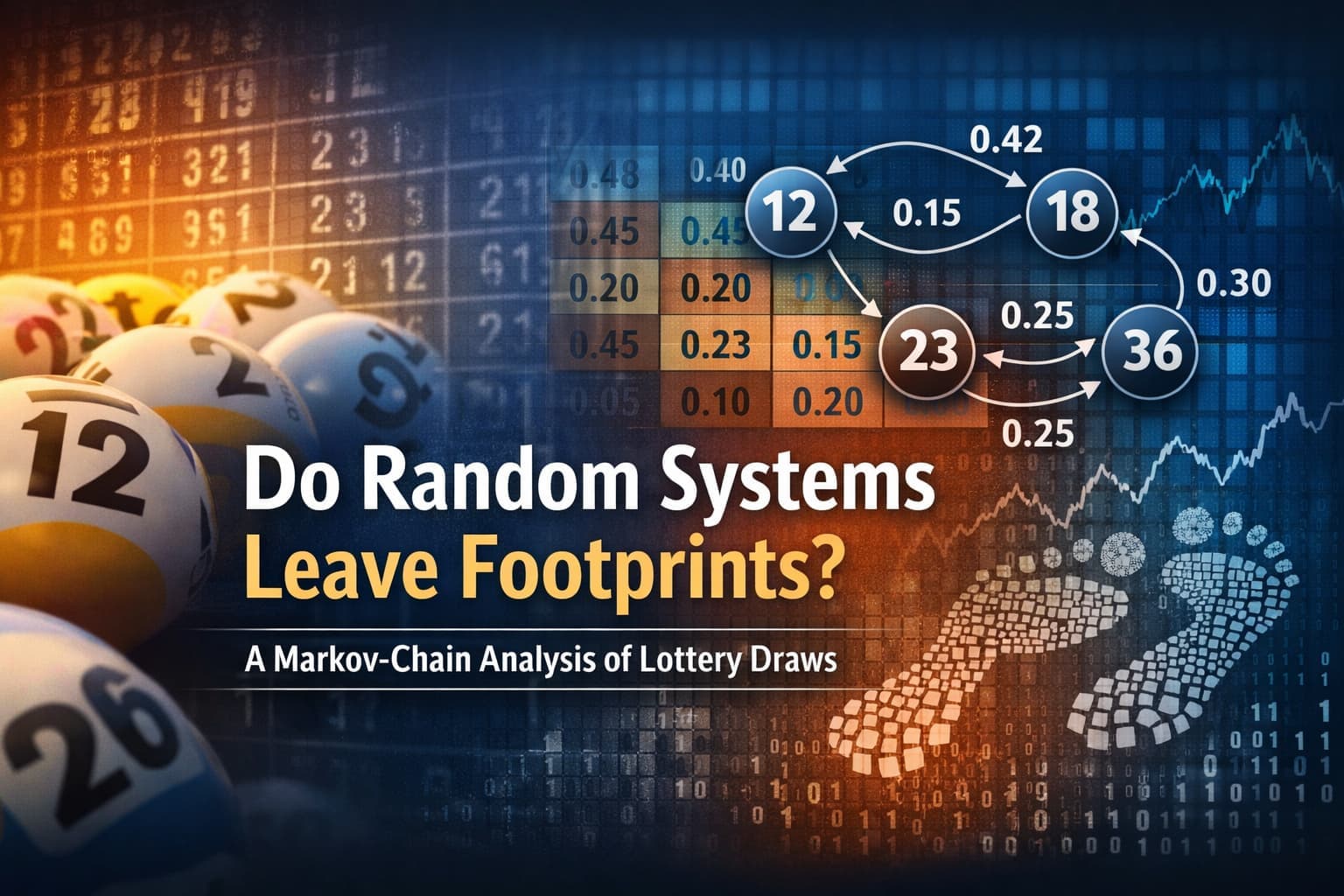
An exploratory look at how Markov chains reveal structural patterns in historical lottery data—without claiming predictability.

Don't miss the Jackpot because of a bad Star number. We analyze the historical frequency of Euro Numbers 1-12 and the 'Golden Pairs'.

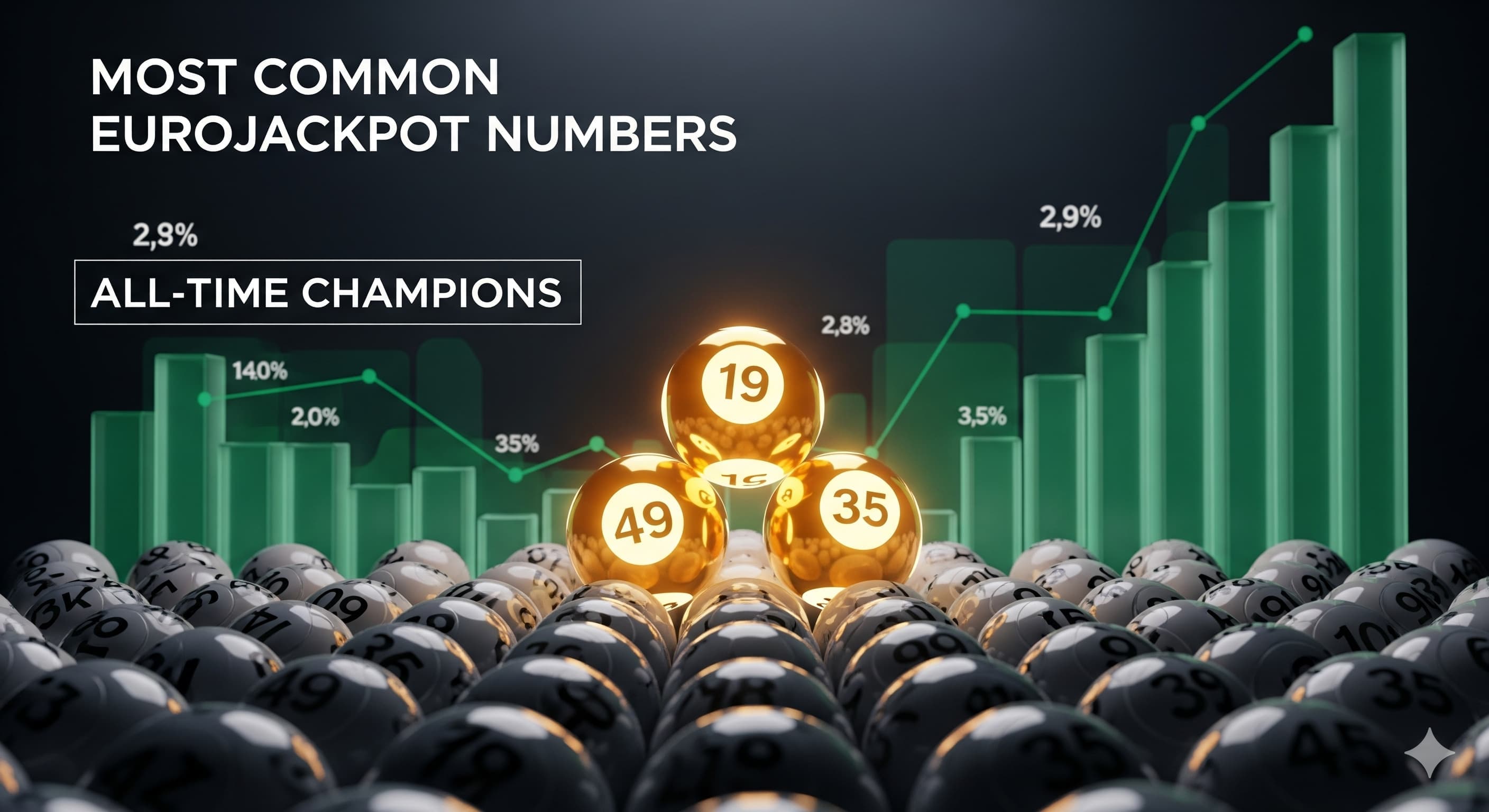
Which numbers appear the most? We analyzed 1,300+ draws to find the 'All-Time Champions' and the 'Sleeping Giants' of the Eurojackpot

If Number 7 won yesterday, what wins today? Learn how Transition Matrices allow us to predict the 'Next Number' based on sequential probability.

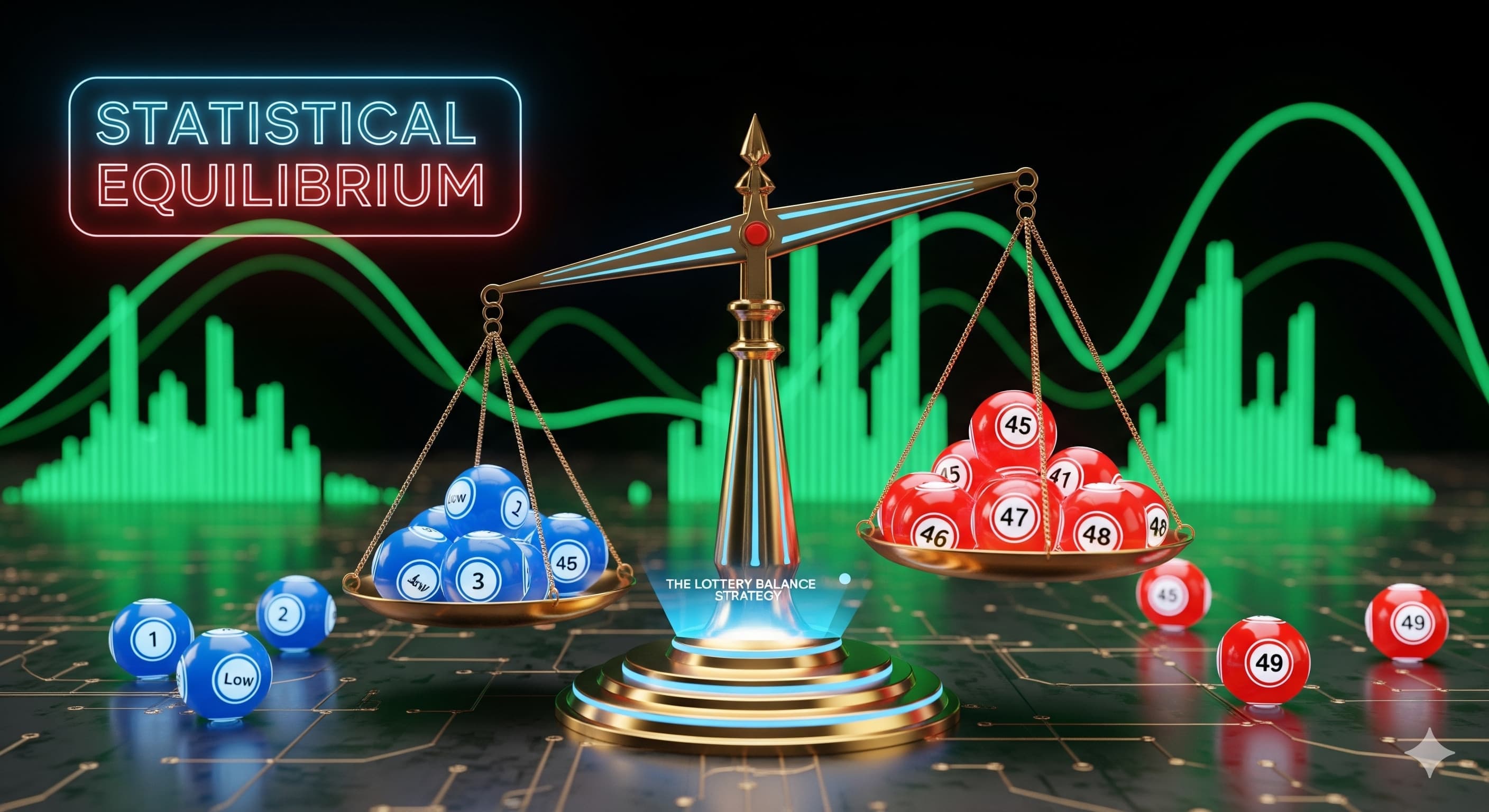
Randomness isn't chaotic; it seeks balance. Learn how to use the High/Low and Odd/Even ratios to create statistically superior tickets.

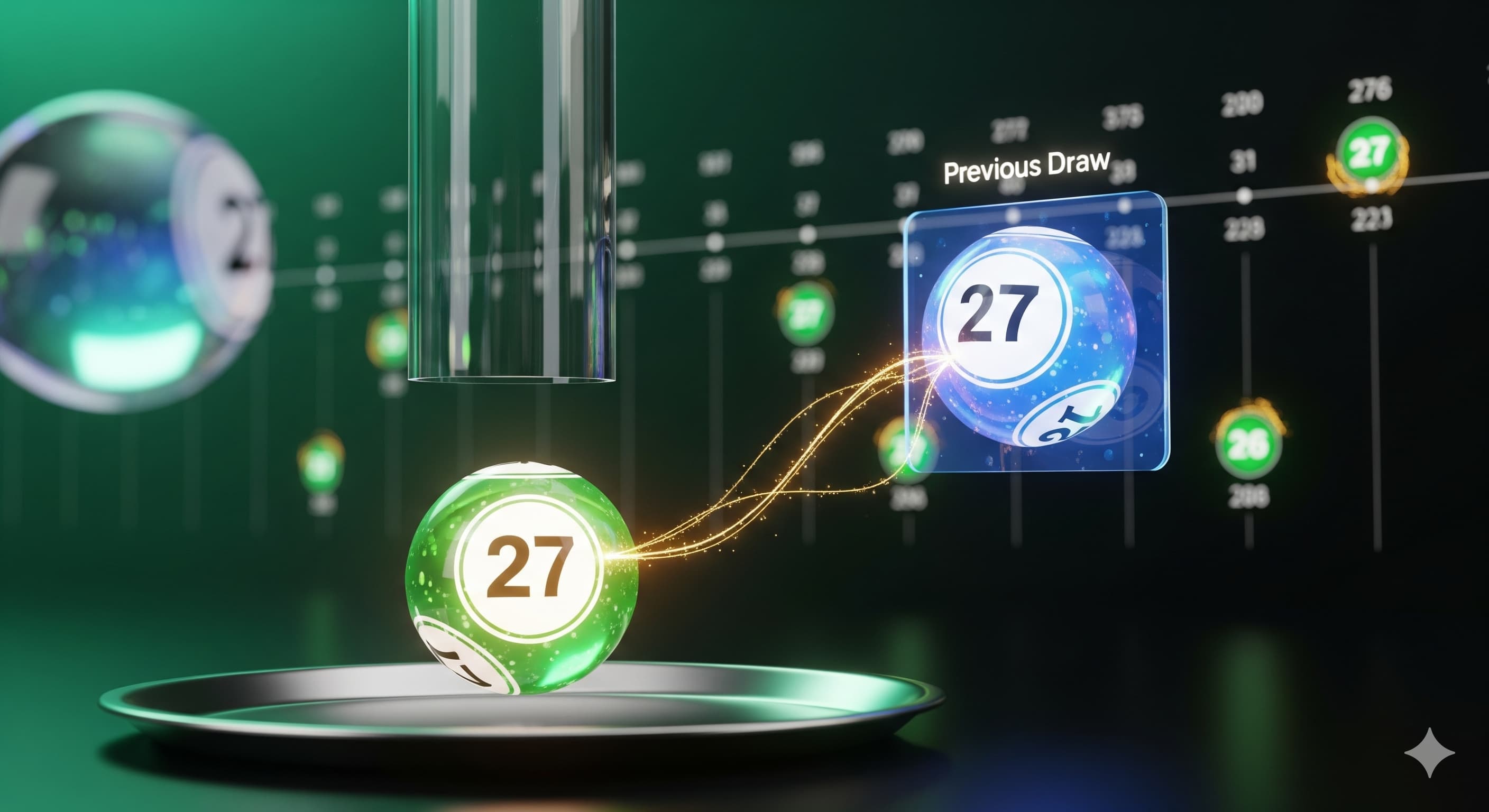
Common wisdom says to avoid numbers that just won. Math says the opposite. Discover the '33% Rule' of repeating numbers.

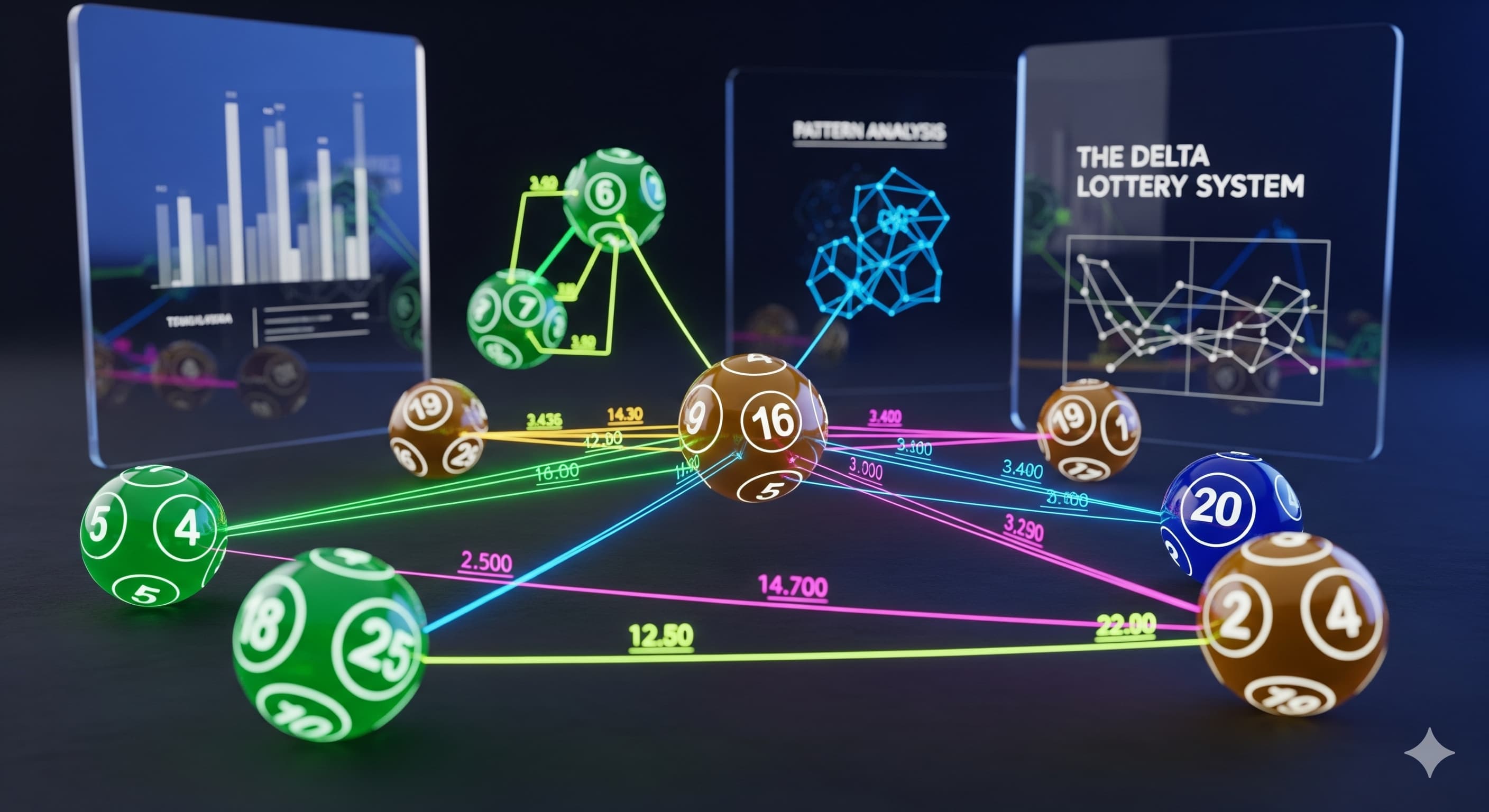
Lottery numbers have a hidden 'texture' called Deltas. Learn how measuring the space between numbers can help you avoid bad combinations.

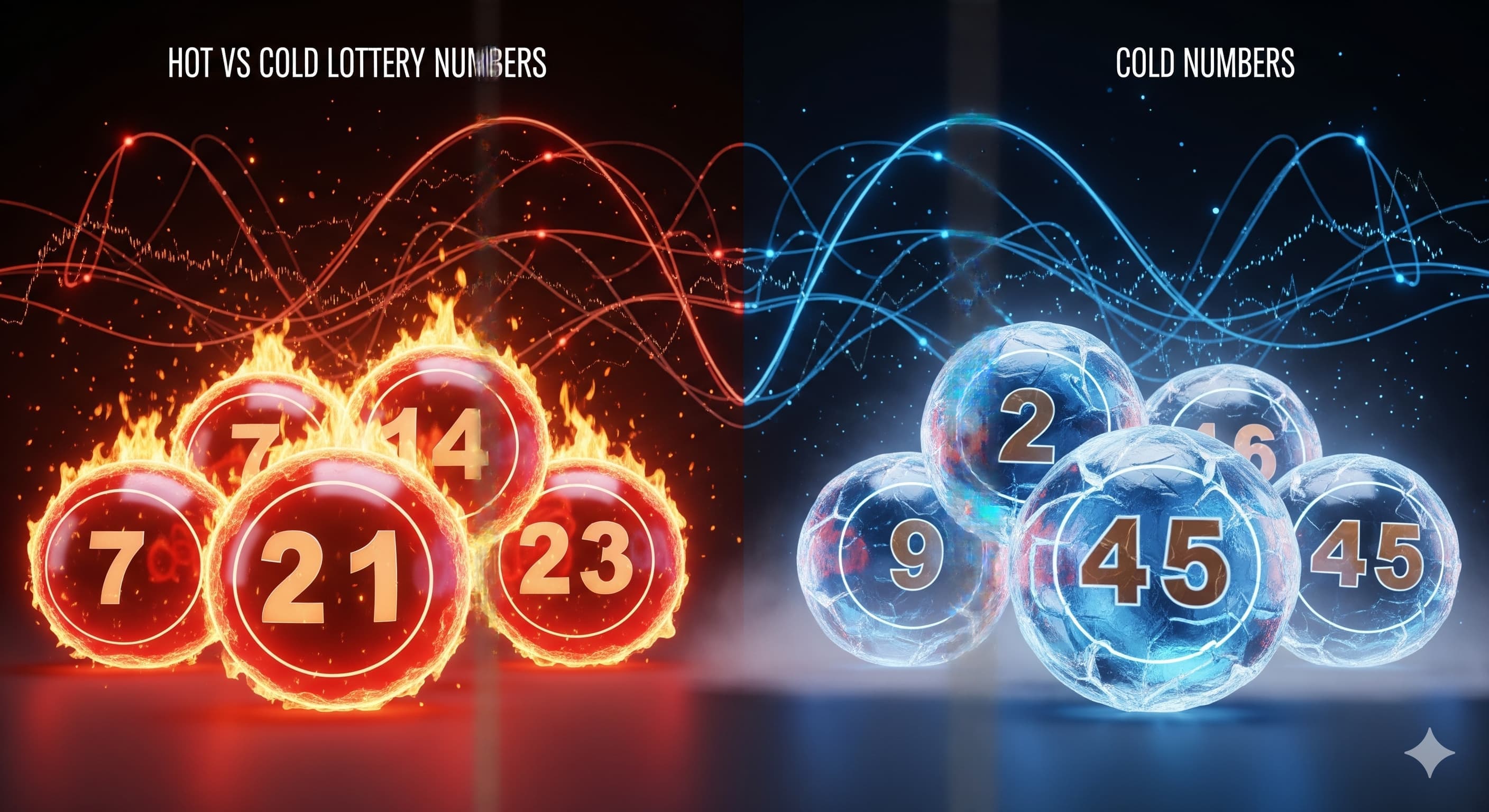
We analyzed 10 years of Eurojackpot draws to settle the debate: Is it better to play "Hot" numbers on a streak, or "Cold" numbers that are overdue? The answer might surprise you.